In the global digital age, choosing the right external network server is crucial for enterprises and individual users. Especially for those users who want to expand their business in the Japanese market, understanding the types and characteristics of Japanese external network servers can not only improve the access speed of the website, but also improve the user experience. This article will discuss in detail several main types and characteristics of Japanese external network servers.
Virtual Private Server (VPS) is a solution to divide a physical server into multiple independent virtual servers through virtualization technology. Each VPS has its own operating system and resources, and users can freely configure and manage. VPS is widely used in Japan and is favored by many small and medium-sized enterprises for its flexibility and cost-effectiveness.
When choosing a VPS in Japan, users can enjoy low latency network connections, suitable for applications and websites that require stable access. In addition, VPS also provides high security, and users can install firewalls and other security software according to their needs to ensure data security.
A cloud server is a server resource provided through cloud computing technology, and users can dynamically adjust resources according to actual needs. Compared with traditional servers, cloud servers have higher flexibility and scalability, suitable for changing business needs. In Japan, cloud servers are favored by enterprises for their high availability and pay-as-you-go model.
Users using cloud servers can easily deal with traffic spikes and avoid website crashes caused by server overload. In addition, the backup and recovery mechanism of cloud servers is also relatively complete, which can effectively reduce the risk of data loss and is an important basis for enterprises to undergo digital transformation.
An independent server refers to a user renting the entire physical server and having full control rights. This server is suitable for applications that require high performance and high security, such as large websites, game servers, and database management. Independent server vendors in Japan usually provide high bandwidth and low latency network services to ensure users get the best experience when accessing.
The main feature of independent servers is that resources are not shared, and users can freely configure the hardware and software environment according to business needs. In addition, independent servers are highly secure and are suitable for businesses with high security requirements such as storing sensitive data and processing financial transactions.
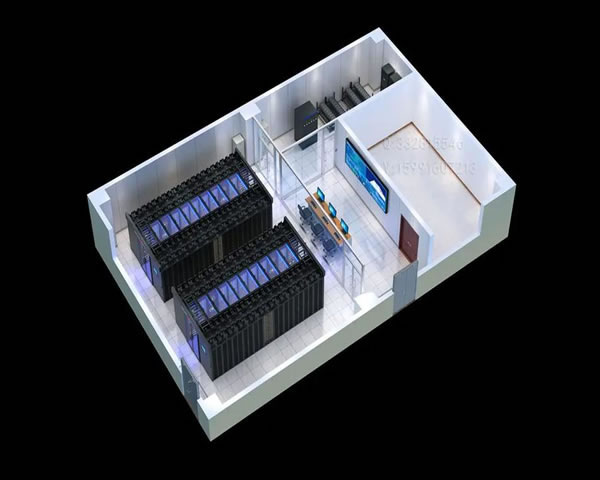
A hosted server refers to the user placing his or her server equipment in the data center of the service provider, who is responsible for network connection, power supply and physical security. Hosting services in Japan usually provide high-standard computer room environments and professional technical support, suitable for companies that want to have independent hardware but do not want to bear maintenance costs.
The advantage of hosting servers is that users can enjoy full control of the server and enjoy professional operation and maintenance support. This model is suitable for large enterprises and companies with special needs for IT infrastructure, and can effectively reduce operation and maintenance risks and costs.
When choosing a Japanese external network server, users need to consider multiple factors. First of all, the performance of the server, including CPU, memory and storage type, etc., which will directly affect the response speed and processing capabilities of the website. Secondly, network latency is also an important factor. Low latency can improve user experience, especially for business targeting local Japanese users.
In addition, security is also a factor that cannot be ignored when choosing a server. Users should choose suppliers that provide strong security protection measures, such as DDoS protection, data encryption, etc. Finally, the quality of customer support and technical support is also very important, ensuring timely assistance is received when encountering problems.

To sum up, there are many types of Japanese external network servers, including VPS, cloud server, independent server and hosted server, each with different characteristics and advantages. When making a choice, users should consider comprehensively based on their own business needs, budget and technical capabilities. When choosing a service provider, it is recommended to pay attention to its service quality, network stability and security to ensure the best user experience.
By gaining insight into the types and characteristics of Japanese external network servers, users can make smarter decisions and gain an advantage in the fiercely competitive market.
- Latest articles
- Complete Huawei Cloud Singapore Server Instance Creation And Environment Configuration From Scratch In One Hour
- Practical Guide To Building A Korean Cloud Server And Designing A Data Backup And Disaster Recovery Center
- Operator Comparison Analysis Of Latency And Stability Of Vietnam Vps Cn2 Different Packages
- How To Choose A Thai Cloud Server? Comparison Of Manufacturer Reputation, SLA And Technical Support
- How To Calculate Elastic Expansion Costs In The Hong Kong Server Hosting Price List Based On Business Peaks
- The Role And Implementation Of Vps Cambodia In Cross-border Data Synchronization And Backup Solutions
- Monitoring And Log Analysis Improve Singapore CDN Server Cache Hit Rate And Response Speed
- Long-term Operation And Maintenance Cost Calculation Helps You Determine Whether Buying A Cheap Hong Kong Cloud Server Is Cost-effective
- Precautions For Purchasing Vps In Singapore From The Perspective Of After-sales And Security
- Market Observation Analysis Of The Differences Between Mainstream Manufacturers And Services Of U.S. Vps Cloud Servers H
- Popular tags
-

Data Analysis: Are People On The Japanese Server In LOL Really Bad? The Truth From Win Rates And Level Distribution
Based on data analysis of win rates and rank distributions, this article analyzes the question of “Are players on the LOL Japanese server weak?” It explains the influencing factors and draws reasonable conclusions, while also providing suggestions for players and game developers. -

How To Evaluate The Network Performance And Stability Of Japan Cn2 Gia
explore how to evaluate the network performance and stability of japan's cn2 gia, understand the key factors affecting network quality, and provide guidance for enterprises in selecting network services. -
How To Successfully Break Into Japanese Servers To Get Faster Speeds
this article explores how to successfully break into japanese servers to get faster network speeds, including technical configuration, network optimization, and choosing the right service provider.